aldehyde ketone and carboxylic acid notes physics wallah Aldehydes , ketones and carboxylic acid handwritten notes for 12th
As we delve deeper into organic chemistry, we come across three fundamental carbon compounds that play an essential role in numerous chemical reactions: Aldehydes, Ketones, and Carboxylic acids. These molecules use carbonyl groups as their core functional group that is responsible for their distinct properties and reactivity. Let’s take a closer look at each of these compounds and the characteristics that set them apart. Aldehydes: Aldehydes are an essential class of organic compounds that contain a carbonyl group (-CHO) bonded to a carbon atom. The most commonly encountered aldehyde is formaldehyde, which is highly reactive and used in many industrial applications. Aldehydes are readily oxidized to carboxylic acids and reduced to primary alcohols, making them useful reagents in organic synthesis. They also exhibit distinct chemical properties such as sharp odor, high volatility, and solubility in both polar and non-polar solvents. Ketones: Ketones are another vital class of organic compounds that feature a carbonyl group (-C=O) attached to two hydrocarbon groups. Acetone is the simplest and most well-known ketone used in many industrial applications such as solvent and nail polish remover. Ketones are generally not as reactive as aldehydes, but they are still useful in organic synthesis as intermediates to produce complex molecules. They have a sweet fruity smell, are generally non-polar, and have slightly higher boiling points than aldehydes. Carboxylic Acids: Carboxylic acids are a class of organic compounds that contain the carboxyl functional group (-COOH). Some examples of carboxylic acids include acetic acid, formic acid, and citric acid. They are weak acids, meaning they do not completely dissociate in water, and they can react with both bases and alcohols to form esters. They are also widely used as preservatives and in the formation of soaps, detergents, and other chemicals. In conclusion, understanding the properties and reactivity of aldehydes, ketones, and carboxylic acids is crucial in the field of organic chemistry. These three compounds play a critical role in the synthesis of numerous organic molecules, and a deep understanding of their properties and behavior can lead to the development of new pharmaceuticals, materials, and applications.
If you are searching about Aldehydes , Ketones and Carboxylic Acid Handwritten Notes for 12th you’ve came to the right web. We have 5 Pics about Aldehydes , Ketones and Carboxylic Acid Handwritten Notes for 12th like Aldehydes , Ketones and Carboxylic Acid Handwritten Notes for 12th, Pin on Organic chemistry and also Pin on Organic chemistry. Here it is:
Aldehydes , Ketones And Carboxylic Acid Handwritten Notes For 12th
 www.ndjtuition.comcarboxylic acid aldehydes ketones handwritten aldehyde
Aldehydes , Ketones & Carboxylic Acids | HSC Boards Wikia | Fandom
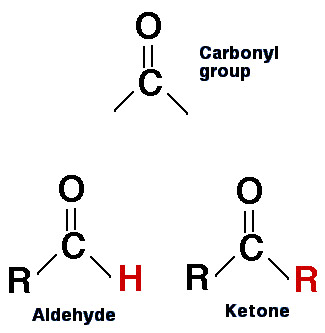 hscboards.fandom.comketone ketones aldehydes carbonyl group aldehyde functional structure carboxylic difference between acids compound biology molecule groups chemistry two diagram reactions
Aldehyde, Ketone And Carboxylic Acid Hand Written Note For Neet 2021-22
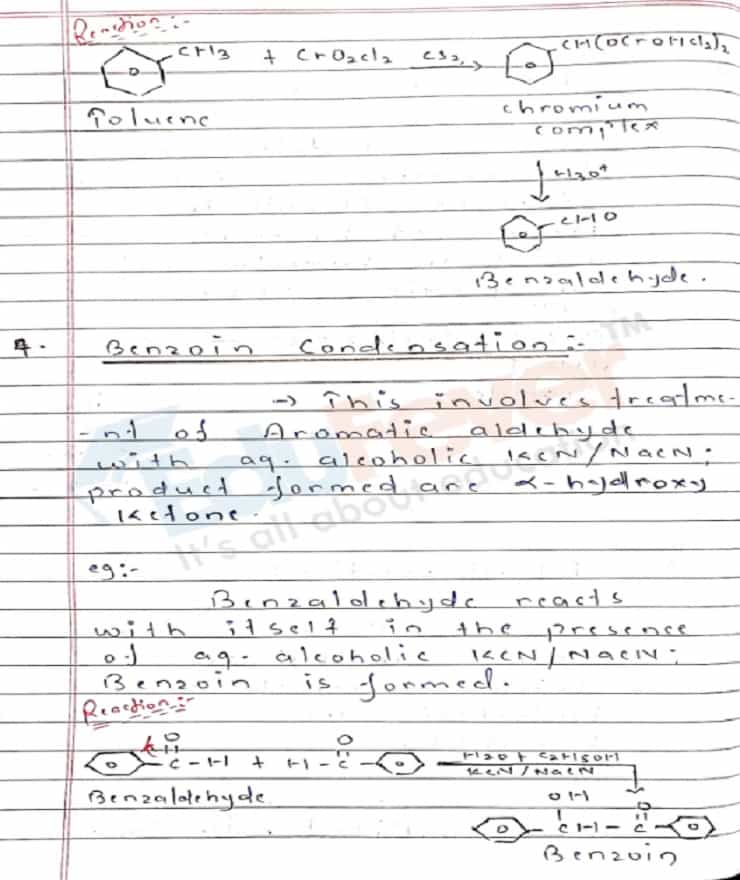 shop.edufever.comcarboxylic aldehyde
Pin On Organic Chemistry
 www.pinterest.co.kraldehyde chemistry ketone carboxylic reaction acid cheat sheet reactions organic level class notes teaching school help choose board mechanisms medical
Aldehydes, Ketones And Carboxylic Acids Class 12 Notes Chemistry Chapter 12
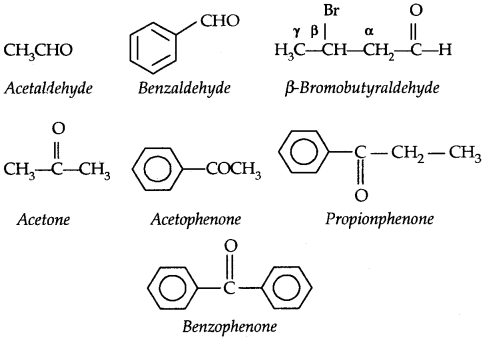 www.learninsta.comaldehydes ketones carboxylic acids iupac derived aliphatic
Carboxylic aldehyde. Aldehydes ketones carboxylic acids iupac derived aliphatic. Aldehydes , ketones & carboxylic acids