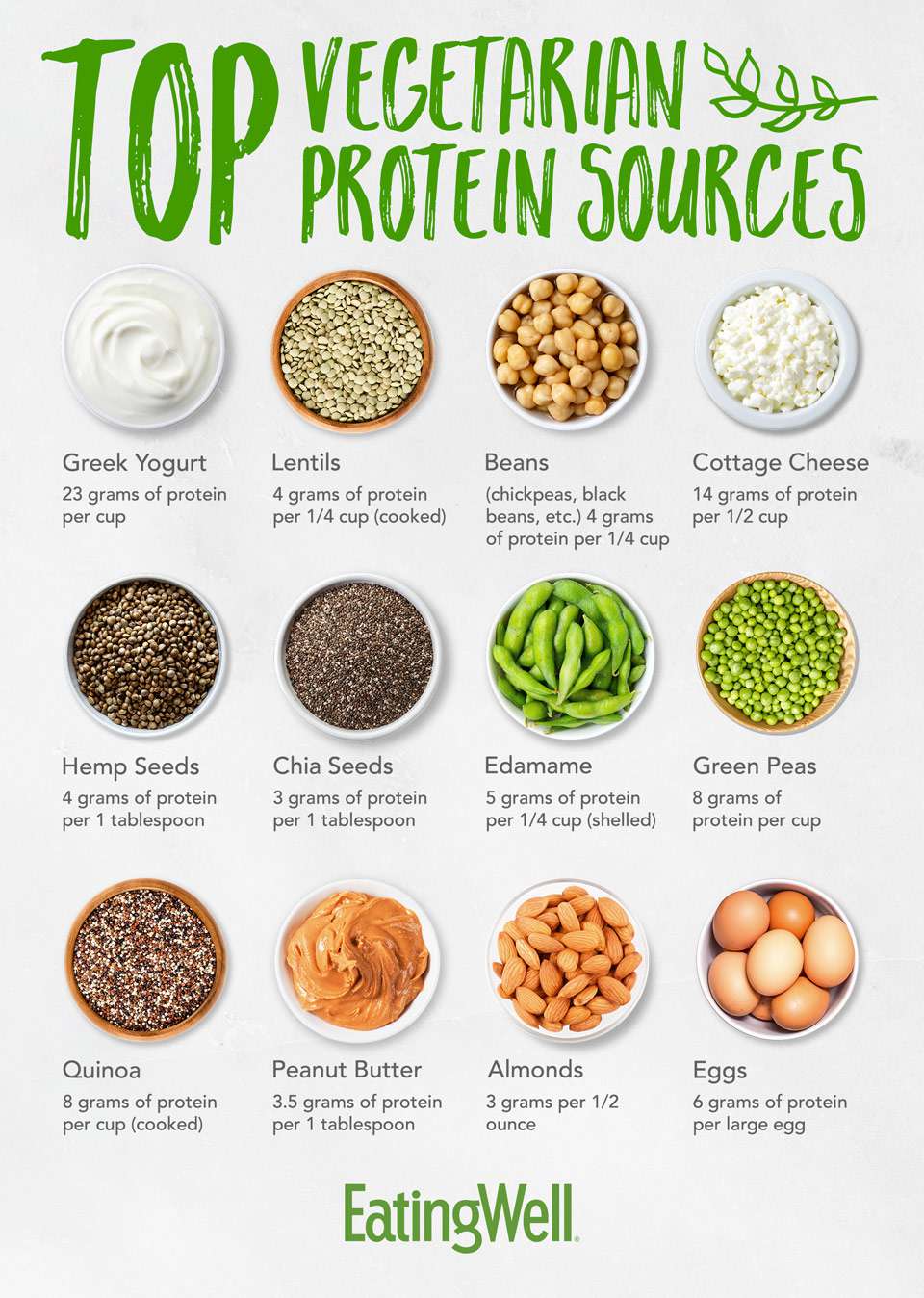
how to eat more protein on a vegan diet Eatingwell infographic
Protein is an essential nutrient that our body needs to function properly. It is one of the building blocks of muscle, skin, and bone. As a vegan, it might seem challenging to ensure that you are getting enough protein in your diet since most protein-rich foods come from animal sources. However, with a little bit of planning and knowledge, it is possible to meet your protein needs on a vegan diet. There are many plant-based protein sources that can help fulfill your daily protein requirement. Some of the top vegan protein sources are legumes (such as lentils, chickpeas, and black beans), tofu, tempeh, quinoa, nuts, and seeds. These foods not only provide protein but also have other important nutrients like fiber, vitamins, and minerals. Lentils are a great source of plant-based protein. One cup of cooked lentils provides 18 grams of protein and 15 grams of fiber. You can add them to soups, stews, salads, or even make lentil burgers. Chickpeas are another fantastic vegan protein source. One cup of cooked chickpeas has around 15 grams of protein. You can make hummus, roasted chickpeas as a snack, or use them in curries and salads. Tofu and tempeh are also excellent vegan protein sources. Tofu contains around 10-15 grams of protein per 100 grams, while tempeh has around 20 grams of protein per 100 grams. Tofu can be used in stir-fries, soups, salads, or even desserts. Tempeh can be marinated, baked, or used in sandwiches and wraps. Quinoa is a complete protein source, meaning that it contains all nine essential amino acids that our body needs but cannot produce. One cup of cooked quinoa provides around 8 grams of protein. You can use quinoa in salads, soups, or as a substitute for rice. Nuts and seeds are also great vegan protein sources. Almonds, for example, contain around 6 grams of protein per 30 grams. You can eat them as a snack or use them in recipes like almond milk or almond butter. Chia seeds are another fantastic vegan protein source. Two tablespoons of chia seeds contain around 4 grams of protein. You can add chia seeds to smoothies, puddings, or even use them as an egg replacement in baking. In conclusion, getting enough protein on a vegan diet is not as difficult as it may seem. By incorporating a variety of plant-based protein sources in your diet, you can fulfill your daily protein needs. Remember, it is essential to eat a balanced diet that includes not only protein but also carbohydrates, healthy fats, vitamins, and minerals. By doing so, you will be on your way to a healthier, happier you.
If you are looking for 10 Science-Backed Reasons to Eat More Protein you’ve came to the right page. We have 5 Pictures about 10 Science-Backed Reasons to Eat More Protein like Top Vegetarian Protein Sources | EatingWell, 15 Clever High Protein Vegan Diet Plan - Best Product Reviews and also Top Vegetarian Protein Sources | EatingWell. Read more:
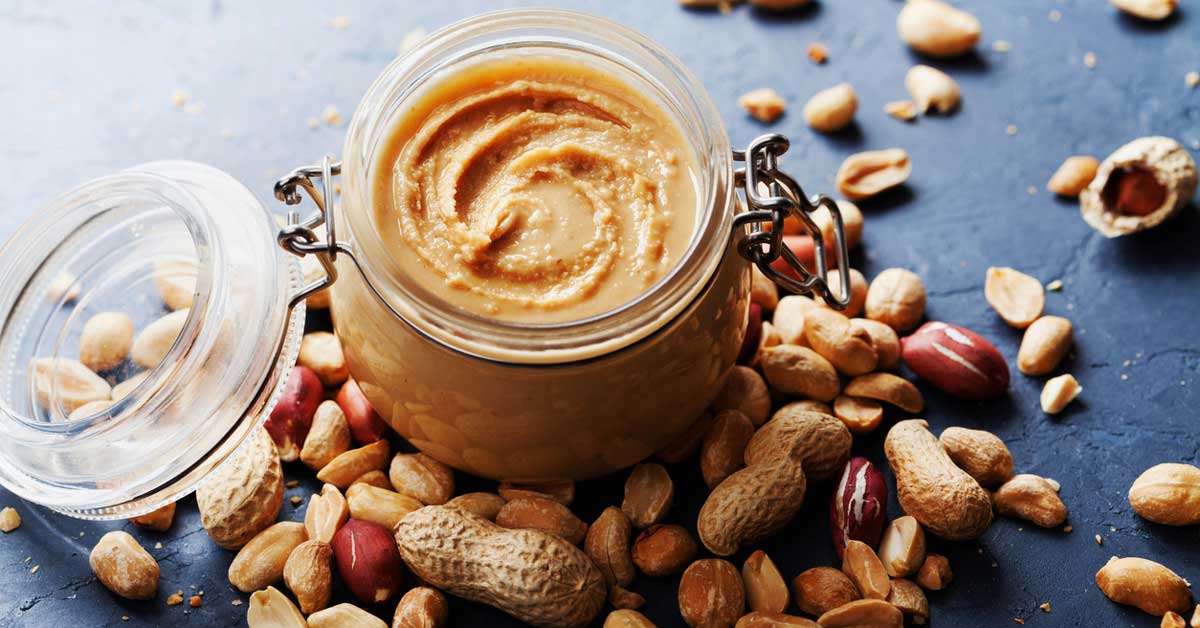
10 Science-Backed Reasons To Eat More Protein
 www.healthline.comprotein eat reasons backed science
Top Vegetarian Protein Sources | EatingWell
 www.eatingwell.comeatingwell infographic
How Do Vegans Get Protein? (a Visual Guide)
 plenteousveg.comprotein vegans vegan vegetarian visual guide healthy food being protien foodie diet steps eat vegetarians two
HIGH-PROTEIN VEGAN FOODS - The Truth Is That It’s Quite Hard To Get
 www.pinterest.comdense lose portion gms
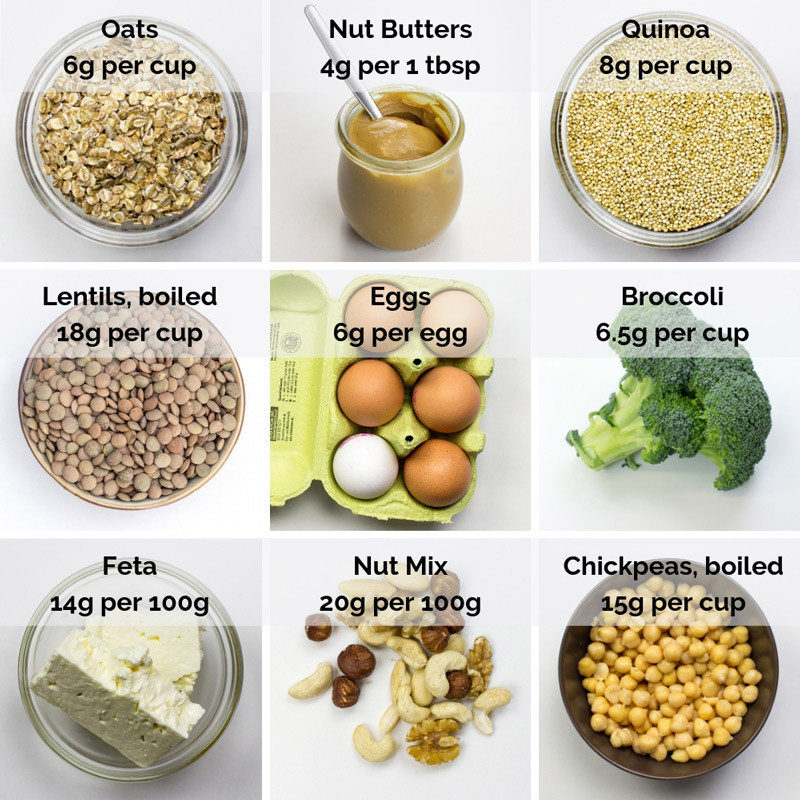
15 Clever High Protein Vegan Diet Plan - Best Product Reviews
 hqproductreviews.comvegetarian vegan hurrythefoodup diets nuts kcal fibre arian
High-protein vegan foods. Vegetarian vegan hurrythefoodup diets nuts kcal fibre arian. Protein vegans vegan vegetarian visual guide healthy food being protien foodie diet steps eat vegetarians two